
Uncategorized
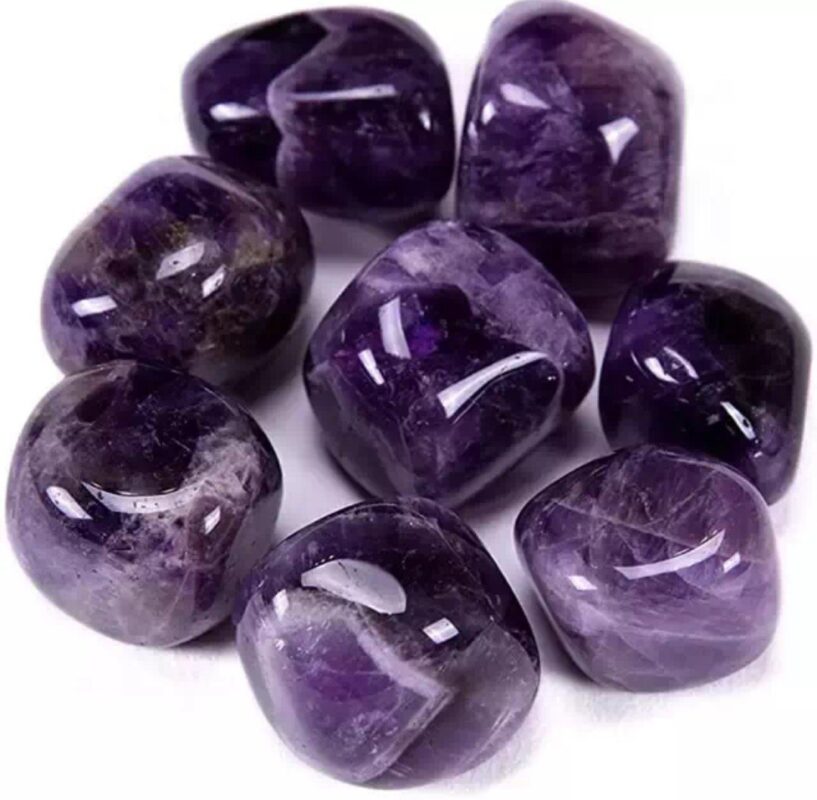
Amethyst Tumbles Stone
16
Apr
Apr
Amethyst Tumbled Stone: Overview
An Amethyst Tumbles Stone is a small, polished piece of amethyst crystal that has been smoothed and rounded through a mechanical tumbling process.
This process reveals the stone’s natural purple coloration and creates a smooth, pleasant-to-hold surface ideal for everyday Amethyst Tumbles Stone
What Is It?
- Material: Amethyst is a violet-to-deep-purple variety of quartz, one of the most recognizable and popular gemstones Amethyst Amethyst Tumbles Stone.
- Tumbling Process: Raw amethyst pieces are placed in a rock tumbler with abrasive materials and rotated for days or weeks, gradually smoothing edges and polishing the surface.
- Typical Size: Usually ranges from 15-30mm, making them pocket-sized and easy to carry Amethyst Tumbles Stone.
Introduction
Amethyst tumbled stones represent one of the most beloved and accessible forms of crystal healing and decoration.
These smooth, polished gems captivate with their enchanting purple hues, ranging from delicate lavender to deep, royal Amethyst Tumbles Stone.
Whether you’re a seasoned crystal collector or new to the world of gemstones, amethyst tumbled stones offer a perfect entry point into understanding the beauty and potential of natural minerals.
What Are Amethyst Tumbled Stones?
Amethyst is a violet variety of quartz, one of the most abundant minerals on Earth. The characteristic purple color comes from iron impurities within the crystal structure,
combined with natural irradiation over millions of years. When raw amethyst crystals are transformed into tumbled stones, they undergo a mechanical polishing process that smooths their rough edges and reveals their natural luster.
Tumbled stones are small, rounded, and polished pieces of crystal that have been placed in a rock tumbler—a rotating barrel filled with progressively finer abrasive materials.
This process typically takes several weeks, gradually transforming jagged, rough crystals into smooth, pocket-friendly stones with a gentle sheen.
The tumbling process not only enhances the stone’s appearance but also makes it comfortable to hold and Amethyst Tumbles Stone.
The Science Behind the Beauty
Amethyst belongs to the quartz family, with a chemical composition of silicon dioxide (SiO2).
What sets amethyst apart from clear quartz is the presence of iron and exposure to natural radiation during formation Amethyst Tumbles Stone.
The intensity of the purple color depends on the concentration of iron and the level of irradiation the crystal experienced.
These stones typically rate 7 on the Mohs hardness scale, making them relatively durable and suitable for everyday handling.
However, prolonged exposure to direct sunlight can cause the vibrant purple color to fade over time, which is an important consideration for display and storage.
Historical and Cultural Significance
Amethyst has held a special place in human culture for thousands of years. The ancient Greeks believed amethyst could prevent intoxication—the name itself derives from the Greek word “amethystos,”
meaning “not drunken.” Greek and Roman nobility wore amethyst jewelry and drank from amethyst goblets,
believing the stone would protect them from the effects of alcohol Amethyst Tumbles Stone.
In medieval Europe, amethyst was considered a symbol of royalty and was frequently incorporated into royal regalia and religious ornaments.
Soldiers wore amethyst amulets for protection in battle, believing the stone promoted calm and clarity in chaotic situations.
Throughout history, amethyst has been associated with wisdom, spirituality, and purification across various cultures, from ancient Egypt to Tibet.
Metaphysical and Healing Properties
In crystal healing traditions, amethyst tumbled stones are revered for their purported calming and balancing properties.
While scientific evidence doesn’t support these claims, many people find value in using amethyst as a tool for meditation and intention-setting.
Emotional and Mental Wellness: Amethyst is commonly associated with stress relief, emotional balance, and mental clarity.
Practitioners believe it helps quiet an overactive mind, making it easier to achieve meditative states and promoting restful sleep.
Spiritual Connection: Many crystal enthusiasts consider amethyst a stone of spiritual protection and purification Amethyst Tumbles Stone.
It’s traditionally linked to the Third Eye and Crown chakras, which are associated with intuition, higher consciousness, and spiritual awareness.
Creative Enhancement: Some believe amethyst stimulates creativity and enhances problem-solving abilities by promoting a balanced, clear state of mind.
Practical Uses for Amethyst Tumbled Stones
The versatility of amethyst tumbled stones makes them popular for numerous applications:
Meditation and Mindfulness: Hold a tumbled stone during meditation to help focus your attention and create a tactile anchor for your practice.
Pocket Stones: Their smooth, rounded shape makes them perfect for carrying in pockets or purses, providing a comforting touchstone throughout the day.
Home Decor: Display amethyst tumbled stones in bowls, on altars, or scattered around living spaces to add natural beauty and color.
Crystal Grids: Incorporate them into geometric patterns designed to amplify intention and energy work.
Gift Giving: Amethyst tumbled stones make thoughtful, meaningful gifts for friends and family interested in wellness, spirituality, or natural beauty.
Jewelry Making: While typically used loose, tumbled stones can be wire-wrapped or incorporated into various craft projects.
Caring for Your Amethyst Tumbled Stones
Proper care ensures your amethyst stones remain beautiful for years:
Cleansing: Many crystal practitioners recommend regularly cleansing their stones. Common methods include rinsing under cool running water,
placing them under moonlight (especially during a full moon), using sound vibrations from singing bowls or bells, or smudging with sage or incense smoke.
Charging: After cleansing, some believe in “charging” amethyst by placing it on a selenite plate, burying it in earth overnight, or leaving it in moonlight.
Storage: Store amethyst separately from harder gemstones to prevent scratching. Keep them away from prolonged direct sunlight to prevent color fading.
Handling: While amethyst is relatively durable, avoid dropping it on hard surfaces or exposing it to harsh chemicals.
Choosing Quality Amethyst Tumbled Stones
When selecting amethyst tumbled stones, consider:
Color: Look for rich, even coloration. Deep purple is typically more valued, though lighter lavender stones have their own appeal Amethyst Tumbles Stone.
Avoid stones with excessive white or gray patches Amethyst Tumbles Stone.
Clarity: While some inclusions are natural and expected, high-quality stones should have good transparency and minimal cloudiness.
Polish: The surface should be smooth and well-polished without excessive pits, scratches, or rough areas.
Size: Choose stones that feel comfortable in your hand—typically between 15-30mm for tumbled stones Amethyst Tumbles Stone.
Authenticity: Purchase from reputable sellers to ensure you’re receiving genuine amethyst rather than glass or dyed quartz imitations Amethyst Tumbles Stone.
